
Hydrogen Superyachts Are Here — The Sustainable Future of the High Seas
Hydrogen propulsion is transitioning from research concept to practical, near‑term option for low‑carbon yachting. Advances in fuel‑cell hardware, storage technology and hybrid architectures are converging with stricter emissions rules and growing owner interest in ESG outcomes. For owners, family offices and charter operators seeking silent, low‑local‑emission operation without sacrificing comfort, hydrogen superyachts can offer an attractive pathway—especially for newbuilds designed around the technology. This article explains how hydrogen propulsion works in marine contexts, summarizes the current state of real‑world projects, clarifies operational and safety implications, and identifies the commercial, regulatory and technical factors prospective buyers must weigh.
How hydrogen propulsion works on yachts
- Fuel cells and power delivery: Hydrogen fuel cells generate electricity electrochemically by combining hydrogen with oxygen; the primary exhaust product is water vapor. Depending on stack type and air handling, trace compounds can appear, but fuel cells produce far lower local NOx, SOx and particulates than combustion engines. The electricity from fuel cells powers electric propulsion motors and hotel loads.
- Storage approaches: The main near‑term storage options are compressed gaseous hydrogen (high‑pressure cylinders) and cryogenic liquid hydrogen. Cryogenic storage offers higher volumetric energy density than compressed gas but requires complex insulation and boil‑off management and is less common on smaller yachts. Emerging carriers (metal hydrides, chemical carriers) are at prototype or early development stages and currently add weight and complexity.
- Hybrid system architectures: Practical hydrogen superyacht designs pair fuel cells with battery buffers and often retain small backup gensets. Batteries handle peak loads, regenerative capture and transient power demands; fuel cells supply steady cruising power and hotel loads. Hybrid redundancy improves operational resilience where bunkering is limited.
- Powertrain integration: Fuel‑cell stacks, hydrogen tanks, power electronics and electric motors replace or augment traditional engine rooms. Effective thermal management, ventilation and gas detection systems are essential for safety and performance.
Why hydrogen appeals for superyachts
- Near‑zero local emissions: Fuel cells emit primarily water vapor at the point of use, eliminating local NOx, SOx and particulate emissions and improving air quality in marinas and ports.
- Quiet operation: Electric drivetrains and fuel cells produce low noise and vibration, enhancing onboard comfort and discreet hospitality.
- Potential for long range in optimized designs: In purpose‑built newbuilds with substantial storage and efficient hull forms, hydrogen architectures can approach the range of diesel‑hybrids. Achieving parity depends on tank volume, hull efficiency and layout tradeoffs; owners should model vessel‑specific energy balances.
- Future‑proofing and incentives: As ports and regions adopt stricter emissions requirements, hydrogen can reduce regulatory exposure and may qualify vessels for green incentives, preferential berthing or reduced surcharges.
- Market differentiation: Sustainable propulsion can attract eco‑conscious charter clients and support corporate ESG narratives.
Current state of technology and projects
- Demonstrators and early commercial projects: Several prototype yachts, tenders and small ferries have trialed fuel‑cell propulsion successfully. Early commercial superyacht projects and custom integrations are underway for vessels roughly in the 30–100 m range. Supplier ecosystems—marine OEMs, fuel‑cell specialists, naval architects and battery vendors—are collaborating on integrated solutions.
- Newbuilds vs. refits: Newbuilds are presently the most practical route for full hydrogen integration because safety zoning, tank placement and ventilation can be addressed in concept design. Full propulsion retrofits on existing superyachts are technically possible but often impractical due to space, weight and safety‑zone constraints; partial conversions (hotel‑load electrification, hybridization, hydrogen tenders) are more realistic near term.
Operational and safety considerations
- Space, weight and layout: Hydrogen’s volumetric energy density is lower than diesel’s, so tanks (especially compressed gas) occupy more space. Cryogenic tanks reduce volume but add thermal management complexity. Designers must balance tank location, trim, center of gravity and payload.
- Safety design: Hydrogen is flammable across a wide concentration range but disperses rapidly because of its low molecular weight. With proper ventilation, leak detection, certified fittings and separation zones, safety is tractable; however, systems must comply with marine codes and classification society guidance. Designs should incorporate robust gas detection, ventilation strategies, and certified refueling interfaces.
- Refueling logistics: Hydrogen bunkering infrastructure is limited and regionally uneven today. Owners should map current and planned refueling points along intended cruising routes and consider hybrid redundancy (battery buffers, backup gensets) to cover refueling gaps.
- Crew training and maintenance: Fuel cells and hydrogen systems require specialized crew training, OEM service agreements and certified technicians. Fuel cells have fewer moving parts than internal‑combustion engines but require periodic stack servicing or replacement and careful water/thermal management.
- Lifecycle emissions: Onboard zero emissions do not equal zero lifecycle carbon. Green hydrogen (electrolysis using renewable electricity) yields the lowest lifecycle emissions. Gray or fossil‑derived hydrogen lowers onboard emissions but not upstream carbon intensity—buyers making ESG claims should document hydrogen source and certificates of origin.
Regulatory, classification and insurance landscape
- Classification society engagement: Major class societies (Lloyd’s Register, DNV, Bureau Veritas, RINA and others) publish guidance for hydrogen installations. Owners and designers should engage class early during concept design to ensure tank placement, ventilation, sensors and survey regimes meet required standards.
- Flag state and port regulations: Flag administrations vary in permitting hydrogen systems and bunkering. Early discussions with the chosen flag and with key ports in intended cruising areas prevent certification or operational surprises.
- Insurance underwriting: Insurers are developing frameworks for hydrogen vessels. Underwriting will typically require detailed safety cases, service agreements, and documented training; premiums or conditional terms may apply until loss histories mature.
- Incentives and port programs: Some jurisdictions and ports offer grants, fee reductions or preferential berthing for low‑emission vessels. These programs are localized and variable—confirm eligibility and documentation requirements early.
Commercial, resale and cost considerations
- Fuel economics: Hydrogen costs today are generally higher than diesel on an energy‑equivalent basis in most regions; prices vary by production method and location. Anticipated price declines depend on scale and renewable electricity costs.
- Operating costs and maintenance: Fuel‑cell systems may have lower mechanical wear but require specialized parts and OEM service; owners should budget for stack servicing, certified technicians and spare parts. Hybrid redundancy can affect maintenance scope and costs.
- Resale and liquidity: Early hydrogen superyachts that are well documented, classed and serviceable will attract buyers focused on sustainability. However, bespoke systems, limited refueling networks and early‑generation components can affect resale liquidity and value—balance innovation with standardized, serviceable components where possible.
- Charter market potential: Eco‑conscious charter guests may pay premiums for low‑emission, quiet experiences, but the charter market for hydrogen‑native superyachts is nascent.
Practical advice for prospective buyers
- Favor newbuilds for full propulsion integration: Designing storage, ventilation and safety systems from the outset simplifies compliance and optimizes layout.
- Engage class and flag administrations early: Secure classification society buy‑in at concept phase and confirm flag acceptance to avoid redesigns or delays.
- Design hybrid redundancy: Include battery buffers and optional gensets to guarantee mobility when hydrogen bunkering is unavailable.
- Verify hydrogen sourcing: Where lifecycle emissions are important, source green hydrogen and obtain certificates of origin; document the supply chain.
- Map bunkering and plan contingencies: Understand current and planned hydrogen refueling infrastructure along intended cruising regions and develop operational fallbacks.
- Budget for training and service: Allocate funds for crew certification, OEM service contracts and specialized spare parts.
- Consider phased adoption: Pilot hydrogen systems on tenders, support vessels, or for hotel loads before committing to full propulsion systems on larger yachts.
Where hydrogen makes strategic sense today
- Owners prioritizing long‑term sustainability and brand positioning, willing to accept early‑adopter complexity.
- Charter operators targeting eco‑minded clientele and premium harbors with green incentives.
- Coastal or regional operators where bunkering is feasible and operational profiles fit hydrogen range.
- Expedition yachts operating in environmentally sensitive areas where local emissions reduction is highly valued.
Risks and open questions
- Infrastructure gap: Bunkering networks are developing but remain limited and regionally variable; timelines for widespread marine hydrogen availability are uncertain.
- Technology maturation: Fuel‑cell marine applications are advancing rapidly, yet long‑term field data for very large superyacht systems are still limited compared with mature diesel systems.
- Regulatory evolution: Standards for hydrogen systems, bunkering and emergency response continue to evolve; owners should expect iterative compliance work.
- Cost volatility: Hydrogen production and supply costs depend on electricity markets and scaling; near‑term price fluctuations are possible.
Hydrogen superyachts offer a credible route to substantially lower onboard emissions while retaining the quiet, refined experience yachts provide—particularly for newbuilds where designers can integrate storage, ventilation and safety systems from the start. The practical near‑term approach for many owners will be hybrid architectures that combine fuel cells with battery buffers and backup gensets to manage refueling gaps and reduce operational risk. Success requires early engagement with classification societies and flag authorities, careful lifecycle accounting of hydrogen sources, and realistic planning for refueling, maintenance and crew training.
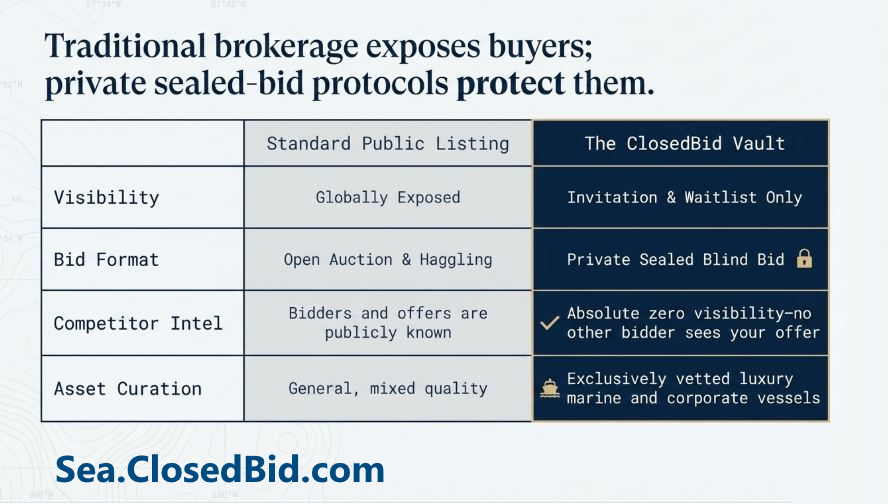
For ClosedBid.com buyers considering hydrogen, a prudent path is phased adoption—pilot hydrogen systems in tenders or hotel loads, validate supplier and class processes, then scale to main propulsion. As infrastructure and technical maturity grow, hydrogen will move from pioneering projects to a mainstream low‑emission option for the high seas.
About The Miccoli Group
Maria A. Miccoli is the CEO and Editor-In-Chief of TheMiccoliGroup.com and the company behind closedbid.com/sea — the sealed bid acquisition intelligence platform for superyachts, luxury yachts, and private vessels. The sealed bid auction platform sea.closedbid.com is a dedicated vertical serving CEOs, executives, and collectors acquiring or divesting high-value marine assets through the precision of the sealed bid process. For media inquiries and broker or buyer registration visit Closedbid.com/sea/contact .


